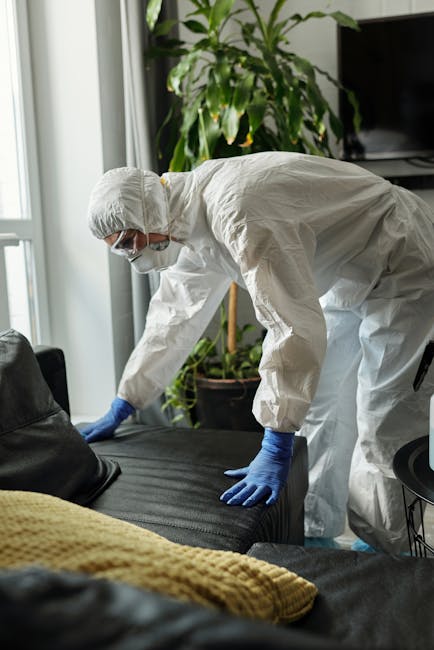
How to deep clean a sofa with pro safe cleaning techniques
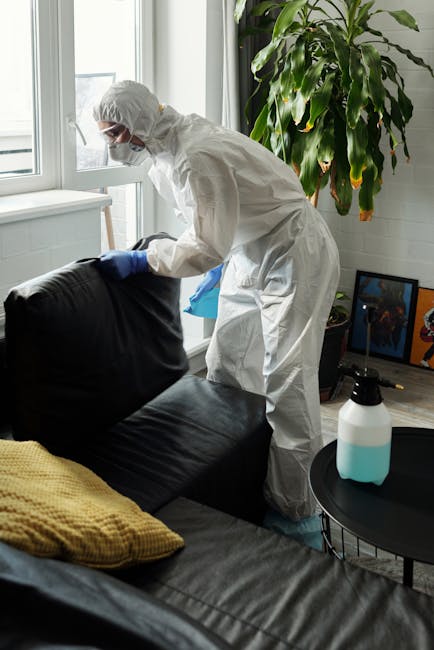
If your sofa has started to look a little tired, smell a bit musty, or collect the sort of mystery marks that appear out of nowhere, you are not alone. Sofas take a proper beating. Spilled tea, pet hair, crumbs, body oils, muddy hands after a wet London walk - it all ends up in the upholstery. The good news is that How to deep clean a sofa with pro safe cleaning techniques is not just for professionals. With the right method, you can freshen fabric, lift stubborn grime, and avoid the kind of damage that turns a small cleaning job into an expensive mistake.
This guide walks you through the process in a practical, careful way. You will learn what deep cleaning actually does, which products and tools are worth using, which mistakes to avoid, and how to choose the safest method for different sofa fabrics. Let's face it, no one wants a sofa that looks clean but smells damp two days later. That part matters too.
Whether you are trying to tackle a family sofa after a busy winter, preparing a rental property, or just trying to rescue a favourite armchair's bigger sibling, this article gives you a safe and sensible route through it. And yes, it can be done at home, if you work methodically.
- Why deep cleaning a sofa matters
- How the process works
- Benefits and practical advantages
- Who needs this and when it makes sense
- Step-by-step guidance
- Expert tips for better results
- Common mistakes to avoid
- Tools, resources and recommendations
- Law, compliance, standards, and best practice
- Options and method comparison
- Case study example
- Practical checklist
- Conclusion
- Frequently asked questions
Why How to deep clean a sofa with pro safe cleaning techniques Matters
A sofa is one of the hardest-working items in the home. It absorbs everyday life in a way most people only notice when it starts to look dull or smell off. Deep cleaning matters because surface vacuuming only gets you so far. Dust, allergens, skin particles, oily residues, food spills, and fine grit settle deeper into the fabric and cushions. Over time, that build-up affects appearance, comfort, hygiene, and even the lifespan of the sofa.
There is also the damage side of the story. A lot of people go straight in with too much water, the wrong detergent, or a scrub brush that is far too aggressive. The result? Rings, faded patches, shrinkage, or sticky residue that attracts dirt even faster. Pro safe cleaning techniques are really about control. Work slowly, test first, use the least harsh effective method, and dry the sofa properly.
That last point is not glamorous, but it is crucial. In our experience, most problems after DIY upholstery cleaning happen not from cleaning itself, but from over-wetting and poor drying. A sofa can look fresh for an afternoon and then smell faintly sour by evening if moisture gets trapped deep in the cushions. Not ideal.
For households with pets, young children, or people with sensitivities, deep cleaning also supports a more comfortable living space. It will not replace regular housekeeping, of course, but it can make a noticeable difference. If your whole home needs a reset, pairing sofa cleaning with deep cleaning or a broader home cleaning approach often makes more sense than tackling one item in isolation.
How How to deep clean a sofa with pro safe cleaning techniques Works
Deep cleaning a sofa is usually a combination of inspection, dust removal, targeted stain treatment, controlled washing or extraction, and careful drying. The exact method depends on the upholstery fibre, the manufacturer's care label, and how much soil is actually present. That sounds obvious, but many people skip the inspection and go straight to scrubbing. That is where trouble starts.
The care label is your first clue. You may see codes such as:
- W - water-based cleaning is generally suitable
- S - use solvent-based cleaning only, no water
- WS - either water-based or solvent-based methods may be suitable
- X - vacuum only; no liquid cleaning unless the manufacturer says otherwise
If the label is missing or worn away, treat the sofa cautiously. Hidden seams, the underside of cushions, or a rear panel often tell you more than the main seating area does. You want to spot colour bleed, fibre distortion, or visible wear before any moisture touches the fabric.
The cleaning process itself is usually built around controlled moisture and agitation. You loosen dry debris first, then treat spots, then clean the larger surface in sections. Professional upholstery cleaning often uses extraction equipment or low-moisture methods so dirt can be lifted out rather than pushed around. For many domestic sofas, a careful spot-clean plus light overall clean is enough. For heavier soiling, a more thorough upholstery treatment may be worth it, especially if you are already booking upholstery cleaning or comparing it with a sofa cleaner service.
The safest approach is usually this: remove dry dirt, test, pre-treat stains, clean gently, extract or wipe away residue, then dry with good airflow. Simple on paper. A bit fiddly in real life, truth be told. But it works.
Key Benefits and Practical Advantages
Deep cleaning is not only about making a sofa look better, though that helps. Done properly, it also improves comfort, hygiene, and fabric longevity. Here are the main benefits people notice.
- Better appearance: Colour looks brighter, fabrics lose that greyed-out film, and the whole room feels fresher.
- Reduced odour: Spills, pets, sweat, and everyday use can leave a faint smell that vacuuming will not solve.
- Improved hygiene: Removing trapped dust and residue helps create a cleaner seating area.
- Longer fabric life: Dirt acts a bit like sandpaper. If it stays in the fibres, wear can build up faster.
- Less risk of stains setting in: Regular deep cleaning prevents old spills from becoming permanent shadows.
- More comfortable home: A clean sofa just feels nicer to sit on, especially in the evening when the room is quiet and the lights are low.
There is also a practical value angle. If you are renting out a property, selling a home, or trying to keep a family living room presentable without replacing furniture, deep cleaning is usually far cheaper than buying new seating. And if the rest of the home needs a reset too, a one-off service such as one-off cleaning or spring cleaning can fit neatly around upholstery work.
Expert summary: The safest sofa deep clean is not the strongest clean. It is the clean that removes soil without damaging fibres, leaving the fabric dry, balanced, and ready to use again.
Who This Is For and When It Makes Sense
This guide is for anyone with a fabric sofa, a suede-like finish, a microfiber suite, or a mixed-upholstery piece that has been used like a family command centre. So, basically, most people. It is especially useful if:
- the sofa has visible marks, spots, or dull patches
- there is a pet smell or food odour lingering in the room
- you are moving in, moving out, or preparing for guests
- children regularly use the sofa as a snack station, because of course they do
- you have not cleaned it properly for months, maybe longer
- you want to refresh the room without replacing the furniture
Deep cleaning makes sense when routine vacuuming and spot treatment are no longer enough. It is also a smart move after illness in the household, after a spill that soaked into the cushions, or before the heating comes back on and stale odours become more noticeable indoors. Autumn and winter are often the times people notice sofas more, simply because windows are shut and the house holds onto smells.
If your sofa is leather, very delicate, or marked with an X care code, you should be much more cautious. At that point, a specialist or a gentler alternative may be better than a full wet clean. If you are unsure, do not guess. A little restraint now saves a lot of regret later.
Step-by-Step Guidance
Below is a safe, practical method for most fabric sofas. Adjust it to the care label and fabric type, and always spot test first. If your sofa is expensive, antique, or particularly delicate, stop and consider professional help before using water or detergent.
1. Read the care label and inspect the fabric
Check the manufacturer's label for cleaning codes. Then look closely at the fabric in daylight if possible. Note any loose stitching, worn patches, previous stain marks, or colour variation. You want to know what is already there before you clean, otherwise you can mistake old damage for new damage. Happens more than people think.
2. Vacuum thoroughly
Use a vacuum with an upholstery attachment and, ideally, a crevice tool. Work slowly across the seat, back, arms, skirt, and under cushions. Remove cushions where possible and vacuum both sides. This step matters because dry debris can turn into muddy residue once moisture is added. A proper vacuum is not glamorous, but it does half the job.
3. Pre-treat stains safely
For fresh marks, blot first. Do not rub. Rubbing pushes the spill deeper and spreads it wider. For common household stains, a small amount of suitable upholstery cleaner or a mild solution approved by the care label can be applied to a cloth, then dabbed gently at the spot. Work from the outer edge of the stain inward.
For greasy marks, a dry absorbent powder or fabric-safe pre-treatment may help lift oil before any wet cleaning. For mystery stains, test a hidden patch before using anything more ambitious. That one small test can save the entire sofa.
4. Prepare your cleaning solution carefully
If the fabric allows water-based cleaning, mix a gentle upholstery solution according to the instructions. Use less product rather than more. Stronger does not automatically mean better. In fact, over-strong mixes often leave residue that attracts dirt later. If the label says solvent only, use a compatible product and avoid soaking the area.
5. Clean in sections
Work one panel at a time. Apply the solution lightly to a cloth, sponge, or upholstery tool rather than pouring directly onto the sofa. Clean using small, overlapping motions. Keep moisture controlled. The goal is to clean the fibres, not bathe them.
If you are using a machine or extractor, follow the equipment instructions and keep passes even. Do not linger in one spot. That is a quick route to water marks, especially on lighter fabrics.
6. Rinse or remove residue
Where the product allows, follow up with a lightly damp cloth using clean water to remove cleaning residue. This is often skipped, and then people wonder why the sofa feels slightly sticky after drying. Residue builds up dirt faster, so it is worth taking the extra minute.
7. Dry the sofa properly
Open windows if weather permits, switch on fans, and keep air moving around the room. Avoid direct heat and do not use high-temperature drying near delicate fabrics. Cushions should be stood upright if appropriate, so air can circulate around all sides. Drying can take a few hours or longer depending on fabric thickness and room humidity.
Do not sit on the sofa until it is properly dry. It sounds obvious, but many people give in early and flatten damp fabric into new creases. Then the whole job has to be done again. A bit annoying, yes, but avoidable.
8. Finish with a final check
Once dry, inspect for residue, rings, or flattened pile. Lightly brush the fabric if the texture needs reviving. If the sofa still smells stale, the issue may be deeper than the surface and you may need a second targeted clean or a professional extraction approach.
Expert Tips for Better Results
A few small choices make a huge difference to the final result. Here is what experienced cleaners tend to do, and why it matters.
- Use white cloths or plain microfibre pads. They make it easier to see transfer and avoid dye migration from coloured cloths.
- Test every product first. Even gentle cleaners can affect dyes, pile, or finishes.
- Work from cleanest to dirtiest areas. That way you do not drag grime across already-clean sections.
- Blot, do not scrub. Scrubbing roughens fibres and can leave fuzzy patches.
- Ventilate the room well. Good airflow helps prevent lingering moisture and odour.
- Use a soft brush only if the fabric can take it. A little agitation helps, but too much can damage the weave.
- Treat spills quickly in future. A fast blot on day one is much easier than a stain removal project two weeks later.
One small observation from real life: sofas in homes near busy roads or with open windows often collect more fine dust than people realise. You may vacuum regularly and still find the cloth looking dull. That is usually a sign that deeper fabric cleaning is overdue, not that the sofa is beyond help.
Also, if your sofa has removable cushion covers and the manufacturer allows it, wash the covers separately only if the care label says so. A lot of damage comes from assuming cushion covers behave like regular laundry. They do not always.
Common Mistakes to Avoid
Most sofa cleaning failures fall into a handful of predictable mistakes. Avoid these and you are already ahead of the game.
- Skipping the care label: This is the biggest one. Fabric codes exist for a reason.
- Using too much water: Over-wetting can cause browning, shrinkage, or mildew smells.
- Applying product directly to the sofa: It can leave concentrated patches and uneven colour changes.
- Scrubbing too hard: That may damage the nap or push soil deeper into the weave.
- Using the wrong cleaner: Harsh detergents, bleach, and strong solvents can ruin upholstery fast.
- Not drying fully: Damp sofas invite musty odours and slow fibre damage.
- Ignoring old stains: Older stains need patience, not more force.
A subtle mistake people miss is cleaning only the obvious mark and leaving the surrounding area untouched. That often creates a "clean halo" effect where one patch looks brighter than the rest. It is better to blend the treatment over a slightly wider area so the finish stays even.
Tools, Resources and Recommendations
You do not need an industrial kit to deep clean a sofa safely. In many cases, a solid household setup is enough. Here is a sensible toolkit:
- vacuum cleaner with upholstery and crevice attachments
- soft white microfibre cloths
- clean spray bottle for diluted solution, if needed
- soft upholstery brush
- bucket of clean water for rinse cloths
- gentle upholstery cleaner suitable for your fabric type
- fans or good natural ventilation for drying
- protective gloves if using any stronger cleaning solution
If you are comparing equipment, a dedicated carpet steam cleaner may be useful for some upholstery jobs, but only if the sofa fabric and care code allow it. Not every sofa tolerates heat and moisture well. Steam is not a magic fix; on the wrong fabric, it can be a problem.
For people who prefer to avoid guesswork, hiring the right equipment or booking a specialist can be a calmer option. Pages like carpet cleaner rental, hire carpet cleaner, and carpet cleaning services may help if you are also planning to clean rugs, stairs, or other soft furnishings at the same time.
If you are looking at product choices, choose low-residue, fabric-safe formulas and avoid anything overly perfumed. Strong scent can hide the problem for a day, but it does not actually clean better. In fact, heavily fragranced cleaners sometimes make it harder to tell whether a smell has truly gone.
Law, Compliance, Standards, or Best Practice
For a domestic sofa cleaning job, there is usually no special legal process to follow, but there are still sensible UK best practices to keep in mind. Product labels should be read carefully, particularly for chemical safety instructions, ventilation advice, and any warnings about fabric types. If you are using stronger detergents or extraction equipment, basic safety precautions matter. Gloves, airflow, and careful storage go a long way.
If you are cleaning as part of a rented property handover or a managed home, it is worth checking the tenancy expectations and any inventory notes. End-of-tenancy cleaning standards can vary, but upholstery is often expected to be in a presentable, hygienic condition. In that kind of situation, a broader clean such as end of tenancy cleaning or domestic cleaning may be more appropriate than a single spot clean.
From a best-practice perspective, the main rule is simple: do no harm. Use the least aggressive method that will achieve a proper clean. Keep records of what products you used if the sofa is valuable, so you have a reference next time. And if a care label is missing or the fabric is high-risk, it is perfectly sensible to pause and get advice rather than charge ahead.
Options, Methods, or Comparison Table
There is more than one way to deep clean a sofa. The best method depends on the fabric, the level of soiling, and how confident you feel with the equipment.
| Method | Best for | Pros | Risks / limits |
|---|---|---|---|
| Vacuum + spot clean | Light to moderate marks, routine refresh | Low risk, cheap, easy to control | May not remove deeper odours or embedded soil |
| Low-moisture upholstery cleaning | Most fabric sofas with suitable care codes | Good balance of safety and cleaning power | Needs correct product choice and drying time |
| Extraction cleaning | Heavier soiling, pet-related grime, larger family sofas | Often lifts more embedded residue | Can over-wet fabric if mishandled |
| Professional upholstery service | Delicate, valuable, or heavily used sofas | Expert assessment, safer for tricky fabrics | Higher cost than DIY |
If you are cleaning multiple items in one go, a professional route may offer better value than piecemeal attempts. For example, if the sofa, rug, and carpet all need attention, you might compare rug cleaning with carpet cleaning so the whole room is done consistently. That often gives the room a much more even finish, which is nicer to live with. Simple as that.
Case Study or Real-World Example
A typical example: a family sofa in a busy living room had light-coloured fabric, a few old drink marks, pet hair, and a lingering smell that became more obvious in the evenings. The owners had been vacuuming it, but only the surface. The arms were slightly greasy from regular use, and a seat cushion had a faint ring from an old spill.
The approach was straightforward. First came a thorough vacuum, including beneath the cushions and along the seams. Then a spot test was done on a hidden lower panel. A gentle upholstery cleaner was applied to cloth rather than directly to the fabric. The marks were treated in small sections, with extra attention to the old drink ring. The sofa was then wiped with a clean damp cloth to remove residue and left with windows open and a fan running nearby.
The visible improvement was clear the next day. The sofa looked lighter, the odour had reduced noticeably, and the surface no longer felt slightly tacky in the arms. The old stain did not disappear completely, because older marks rarely vanish perfectly, but it blended much better. That is a realistic outcome, by the way. Good cleaning often means better, not perfect.
In a similar home, if the sofa is part of a bigger reset before guests or a move, combining the job with house cleaning or spring cleaning helps the whole room feel genuinely refreshed rather than just patched up.
Practical Checklist
Use this checklist before, during, and after cleaning. It keeps the job calm and organised, which is half the battle.
- Check the sofa care label
- Vacuum all surfaces, seams, and cushions
- Test the cleaner on a hidden area
- Blot stains before treating them
- Use a suitable fabric-safe cleaner
- Work in small sections
- Avoid soaking the upholstery
- Remove residue where appropriate
- Ventilate the room well
- Allow full drying before use
- Inspect for rings, fading, or leftover odour
- Brush or fluff the fabric if needed
If you tick off every item and still feel unsure about the finish, that is a good sign to stop and reassess rather than chase the problem with more product. More is not always more. Not in upholstery, anyway.
Conclusion
Learning How to deep clean a sofa with pro safe cleaning techniques is really about protecting the fabric while restoring freshness. The process is not complicated, but it does reward patience, light pressure, and the discipline to test before you clean. Most sofa damage comes from rushing, over-wetting, or using the wrong product. Most good results come from careful preparation, the right tools, and proper drying.
For routine household care, a cautious DIY method can work very well. For delicate fabrics, large stains, or sofas that have taken on a persistent odour, professional help may be the smarter choice. The important thing is to treat the sofa as a material that needs respect, not just a surface to scrub.
If you want a broader refresh for the rest of your home, it can help to pair upholstery care with a wider service such as a professional cleaning company or a more focused upholstery cleaner approach. And if you are local to London, there are options across the city, from Central London to nearby areas such as West London and North London, so it is easier to find help when you need it.
Get a free quote today and see how much you can save.
Clean sofa, calmer room, better day. Honestly, sometimes that is enough to make the whole place feel right again.
Frequently Asked Questions
How often should I deep clean a sofa?
For most homes, a full deep clean every 6 to 12 months is sensible, with regular vacuuming in between. Homes with pets, children, or heavy use may need attention more often.
Can I deep clean a sofa myself?
Yes, if the fabric care label allows it and you use the right method. The key is to test first, use minimal moisture, and dry the sofa thoroughly. If the fabric is delicate, professional help is often safer.
What is the safest way to clean fabric sofas?
Vacuum first, spot test any cleaner, use a gentle upholstery-safe solution, work in small sections, and avoid soaking the fabric. Good airflow during drying is just as important as the cleaning itself.
How do I know if my sofa can be steam cleaned?
Check the care label. Some fabrics can handle steam or extraction, while others cannot. If the label says X or if you are unsure, avoid steam until you have confirmed it is safe for that upholstery.
Will deep cleaning remove old stains?
It may improve them, but old stains are harder to remove completely. Some marks have already bonded with the fibres. A careful treatment can still make them less visible and stop them from getting worse.
Why does my sofa smell after cleaning?
Usually because it has been over-wet or not dried fully. Odours can also come from residue left behind by too much cleaner. Better ventilation and lighter product use normally help.
Can I use washing-up liquid on a sofa?
It is not the best option for most upholstery. Washing-up liquid can leave residue and may be too strong or too foamy for fabric. A proper upholstery cleaner is usually a safer choice.
What should I do first if a spill happens on the sofa?
Blot it immediately with a clean cloth or paper towel. Do not rub. The faster you lift the liquid, the less likely it is to soak deep into the cushion or leave a stain ring.
Is professional sofa cleaning worth it?
It often is, especially for expensive, delicate, or heavily used sofas. Professional cleaning can reduce risk, save time, and deliver a more even result when the job is more than a simple spot clean.
How long does a sofa take to dry after deep cleaning?
It depends on the fabric, humidity, and cleaning method. Light cleaning may dry in a few hours, while heavier extraction work can take longer. Airflow and room temperature make a big difference.
Can I clean a sofa with vinegar or baking soda?
Sometimes people use them, but they are not ideal for every fabric. Vinegar can affect odour temporarily, and baking soda can leave residue if not fully removed. Always spot test and avoid assumptions.
What if my sofa has no care label?
Be cautious and start with dry vacuuming only. Then test a tiny hidden area with minimal moisture or seek professional advice. Without a care label, it is better to be conservative than to risk damage.